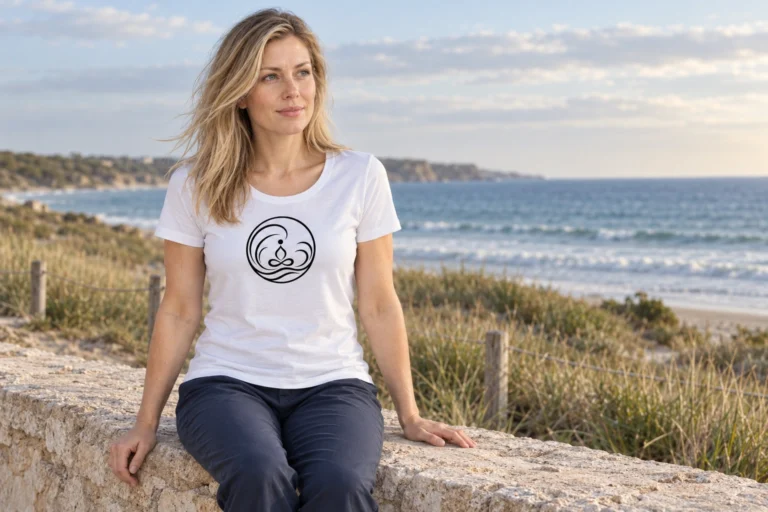
Not all cotton is the same. Most people wear one type their whole life without realising there is a clearly better option.
Around 97% of global cotton production is regular upland cotton. It is common, affordable, and everywhere. The remaining 3% is extra-long staple cotton, and one of the best-known forms is Pima cotton.
That is exactly why we added Tee Jays Pima Cotton to Blacksunset.
What Is Pima Cotton
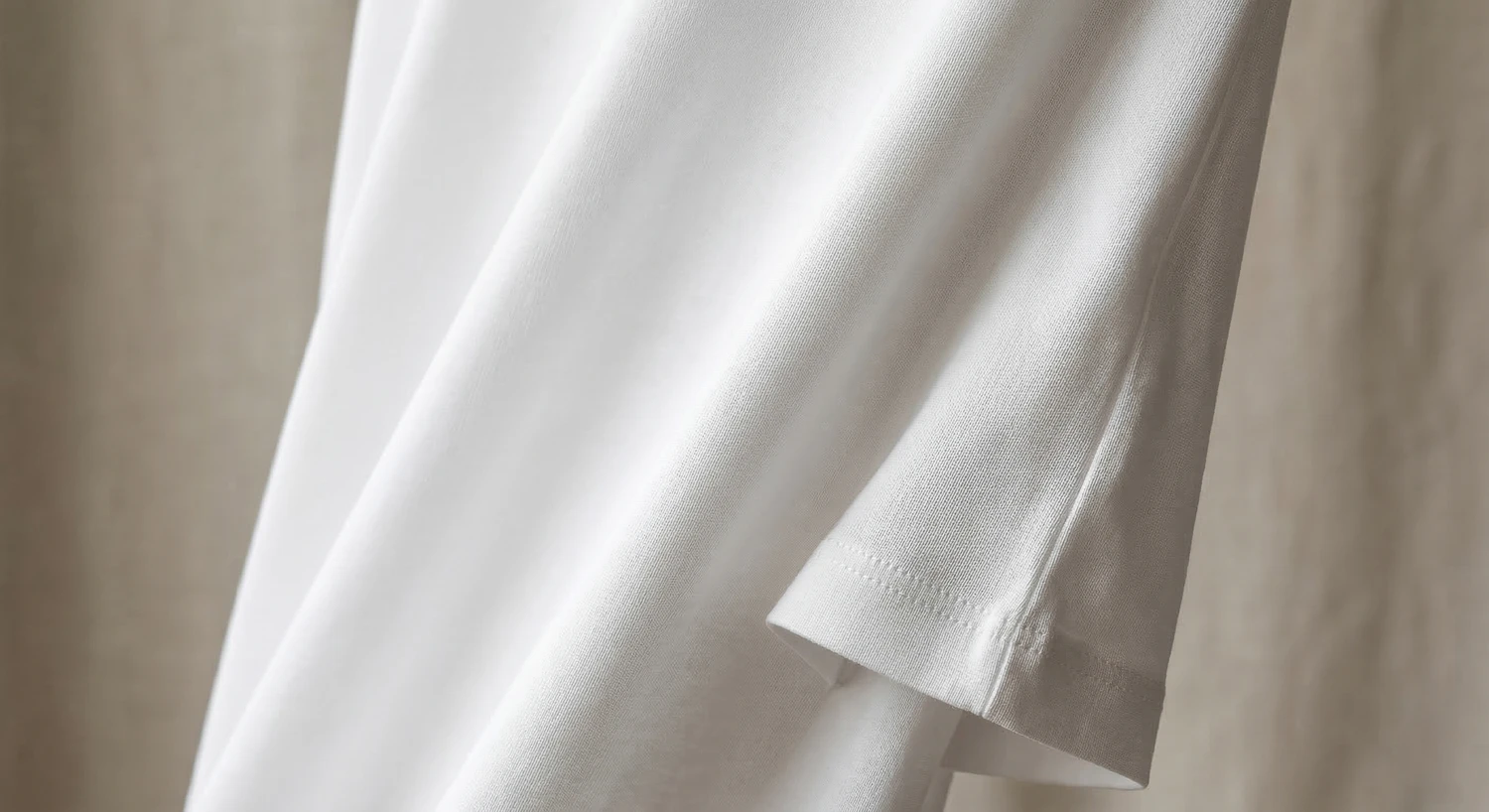
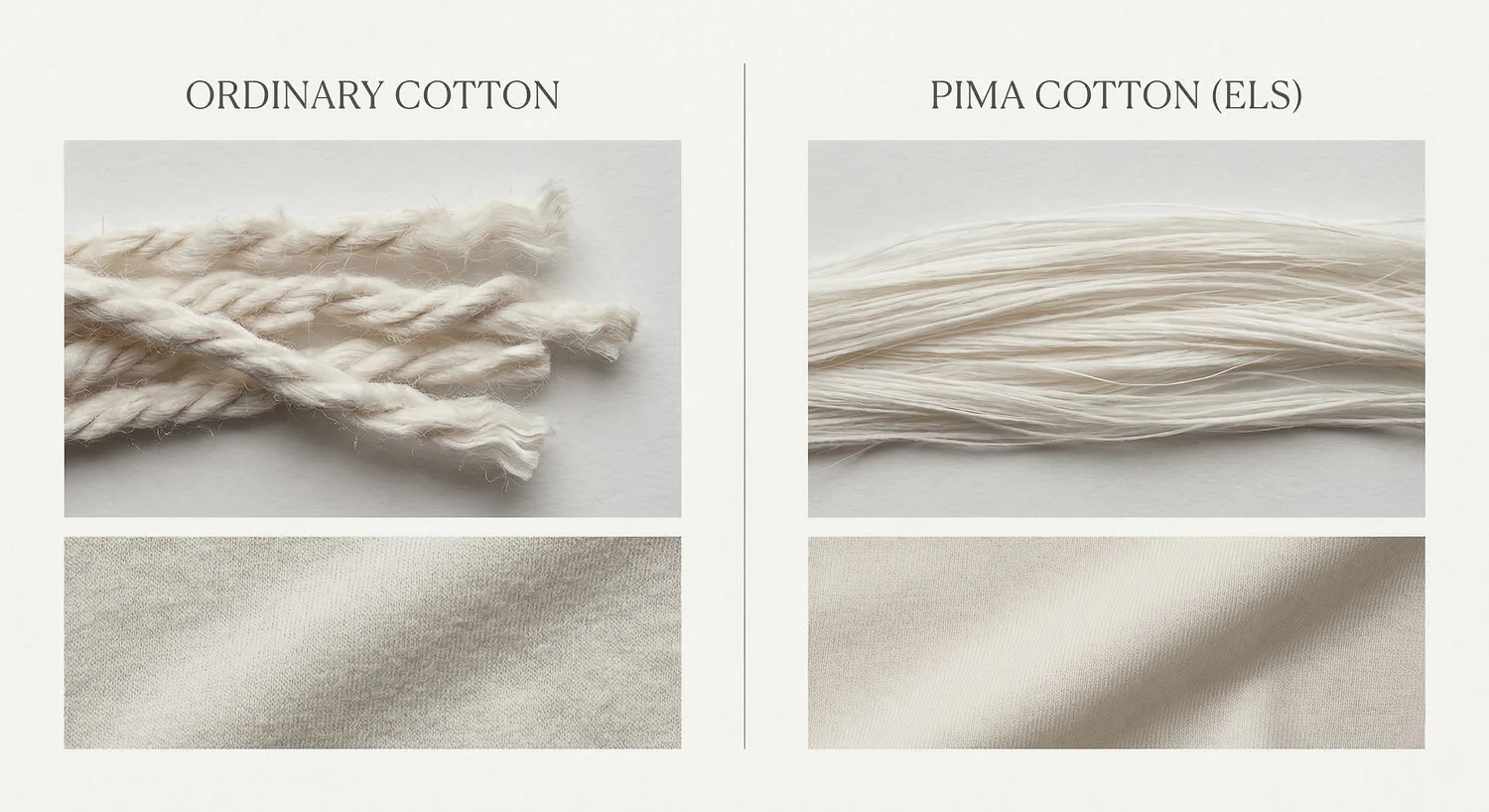
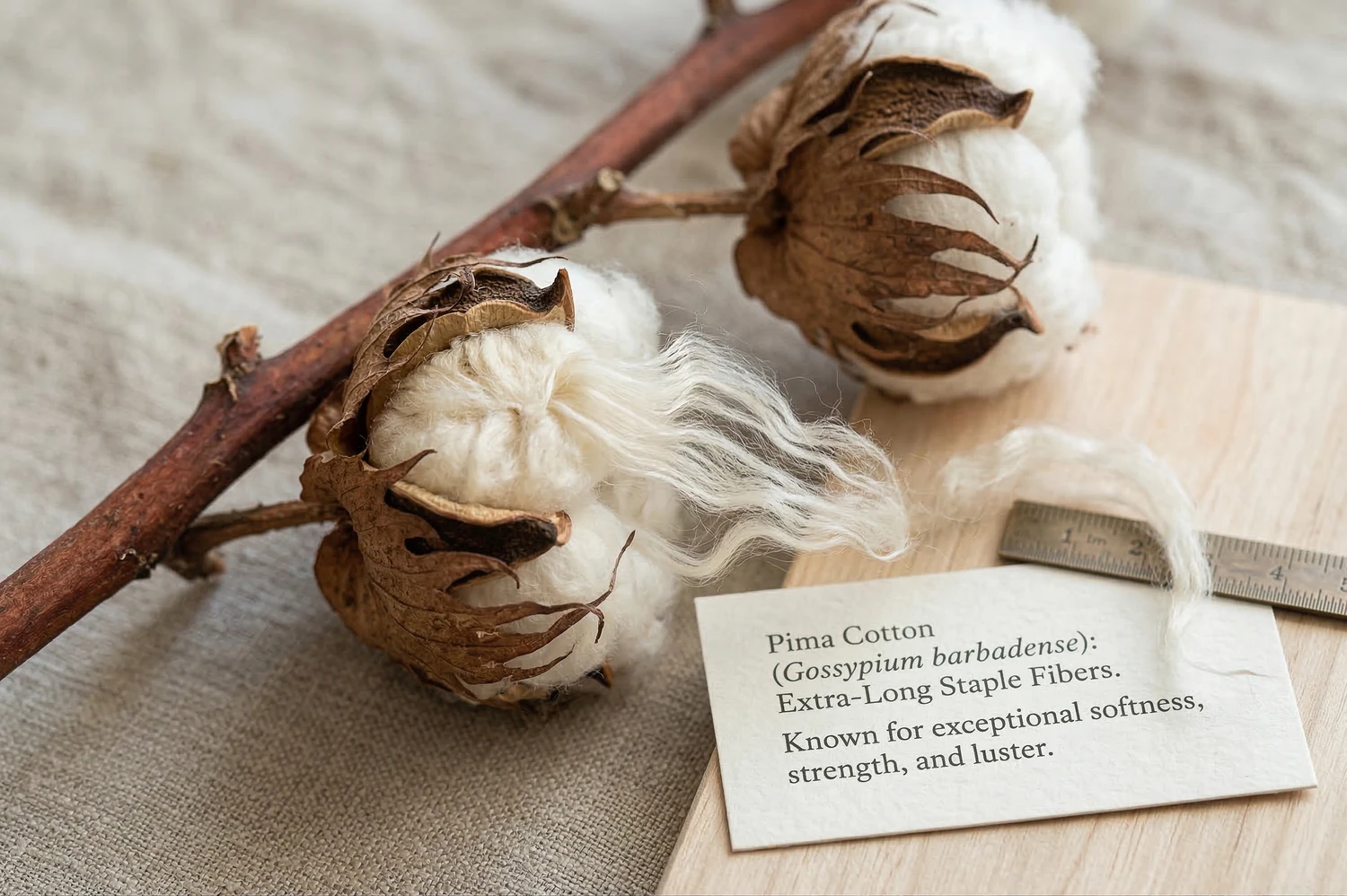
Standard cotton fibre is roughly 2.5 cm long. Pima fibre is usually around 3.5-5 cm. That extra length changes yarn quality dramatically.
Longer fibres spin into smoother, more uniform yarn. Fewer fibre ends stick out. You get less roughness, fewer weak points, and better strength over time.
Pima belongs to the Gossypium barbadense family (same species family as Egyptian cotton), cultivated in different regions and climates. This is not a marketing label, it is a physically different fibre structure.
What You Feel, What You See
Softer hand feel. Pima feels smoother on skin because there are fewer short fibre ends.
Natural sheen. Not shiny like synthetics, just a deeper, cleaner surface finish.
Colour retention. Dyes hold better in longer fibres, so black stays deeper and white stays cleaner for longer.
Less pilling. Fewer loose fibre ends means fewer fabric pills after repeated wear and wash.
Higher durability. Pima fibres are known for stronger tensile performance than standard cotton, which translates into longer garment life.
Tee Jays Pima Cotton Tee, What You Get
Our Pima option is based on Tee Jays model 1450.
100% ring-spun, combed Pima cotton. Fibre quality, yarn quality, and finishing quality in one stack.
44 singles yarn. A finer yarn category associated with smoother premium fabric.
200 g/m2 fabric weight. Heavier than many standard tees, lighter than Interlock, a strong all-season middle point.
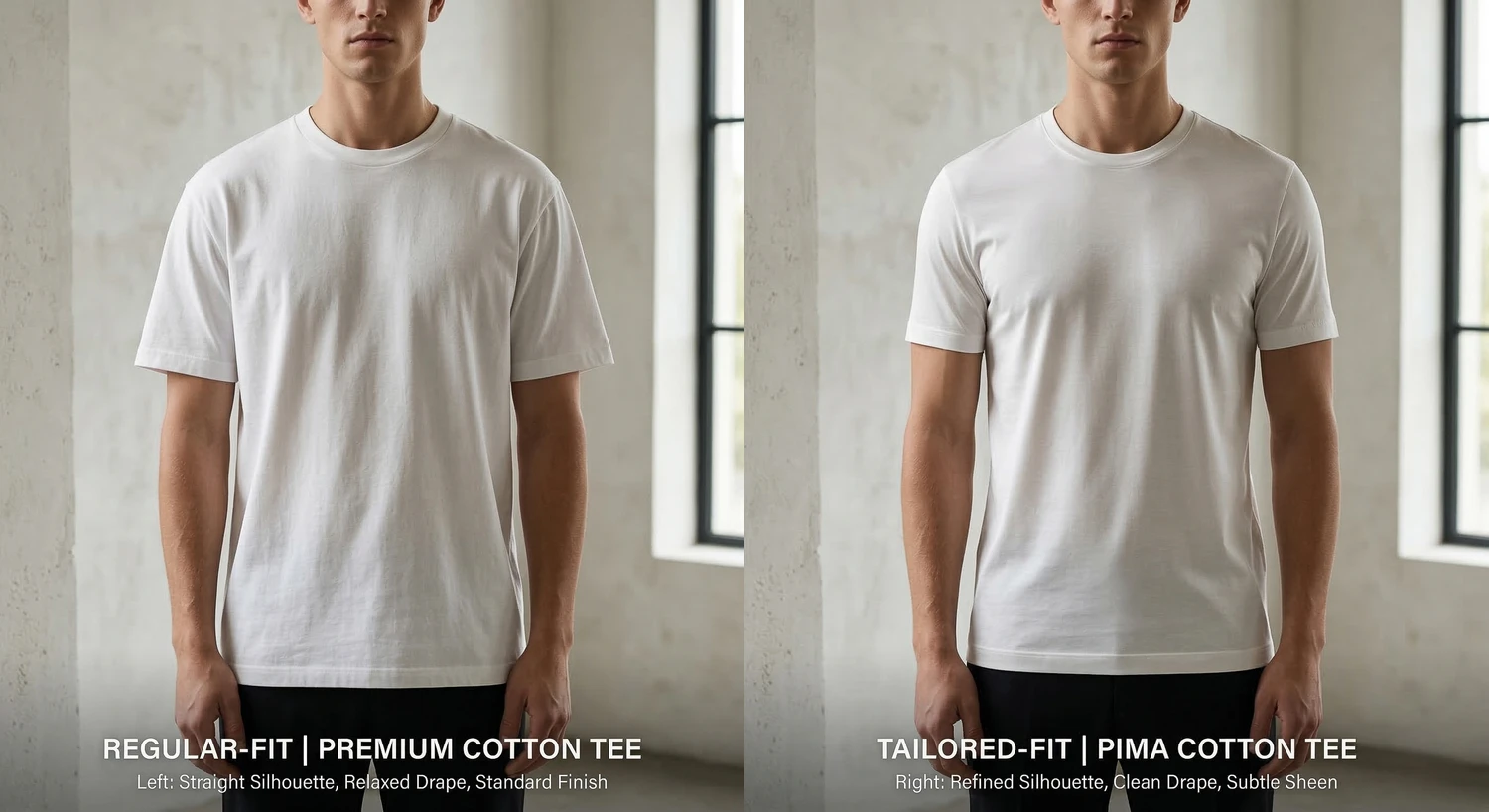
Tailored fit. Cleaner, more structured silhouette than loose basic tees.
Double pre-shrunk and quality stitching. Better shape retention after washing.
Three Fabric Paths at Blacksunset
Sof Tee (185 g/m2), our core daily blank: dependable, clean, high quality.
Interlock (220 g/m2), denser double-knit structure for people who prioritise fabric body and long wear.
Pima Cotton (200 g/m2), smoother, softer, more refined surface with tailored fit.
This is not a “good, better, best” pyramid. It is three different use-cases for three different wardrobes.
Why It Costs More, and Why That Is Honest
Pima is a limited raw material class and costs more at fibre level. Add combing, ring spinning, premium yarn count, and precise cutting, and the production cost rises for real reasons.
So yes, it is priced above standard cotton tees. But the value is in the material itself: feel, look, and lifespan.
Not everyone needs Pima. But people who care deeply about fabric should have the option.
References and links:
- Tee Jays Pima Cotton Tee, official product
- Tee Jays, official website
- All Blacksunset T-shirts
- Tee Jays Interlock, blog post
- Why Blacksunset uses Tee Jays blanks, blog post